Exploring the World of Traditional Korean Rice Wine
If you’ve ever been curious about traditional Korean rice wine, you’re in for a treat. This unique beverage has a rich history and a distinct flavor profile that sets it apart from other alcoholic drinks. Whether you’re a health-conscious individual or a DIY enthusiast looking to try your hand at making your own brew, traditional Korean rice wine offers a fascinating journey into Korean culture and wellness.
Let’s dive into what makes this drink so special, how it’s made, and why it’s gaining popularity beyond Korea’s borders.
What Is Traditional Korean Rice Wine?
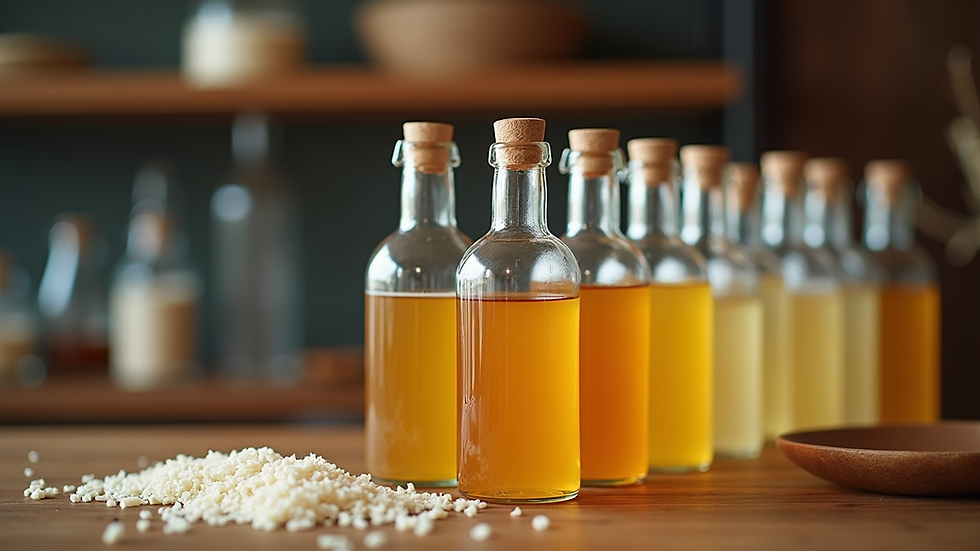
Traditional Korean rice wine, often called makgeolli or cheongju depending on the style, is a fermented alcoholic beverage made primarily from rice. Unlike distilled spirits, rice wine is brewed through fermentation, which means it retains some of the natural sweetness and nutrients from the rice.
The process involves steaming rice, adding a fermentation starter called nuruk (a natural enzyme and yeast mix), and allowing the mixture to ferment over several days or weeks. The result is a milky, slightly fizzy drink with a mildly sweet and tangy taste.
What’s fascinating is that this drink has been enjoyed in Korea for centuries, often served during celebrations, rituals, and casual gatherings. It’s not just a drink but a cultural experience that connects people to tradition and nature.

Why Try Traditional Korean Rice Wine?
Health benefits: It contains probiotics and enzymes that aid digestion.
Lower alcohol content: Usually around 6-8%, making it lighter than many other alcoholic beverages.
Unique flavor: A blend of sweet, sour, and earthy notes.
Versatility: Can be enjoyed chilled, warm, or used in cooking.
If you’re interested in exploring new tastes or looking for a healthier alternative to typical alcoholic drinks, traditional Korean rice wine is a fantastic option.
How to Make Traditional Korean Rice Wine at Home
Making your own traditional Korean rice wine might sound intimidating, but it’s surprisingly doable with the right ingredients and a bit of patience. Here’s a simple step-by-step guide to get you started:
Ingredients You’ll Need
2 cups of short-grain rice (washed and soaked)
1 cup of nuruk (fermentation starter)
4 cups of water (filtered is best)
A clean fermentation container (glass or food-grade plastic)
Step-by-Step Instructions
Prepare the rice: Steam the soaked rice until fully cooked but still sticky.
Cool the rice: Spread the rice out on a clean surface to cool to room temperature.
Mix with nuruk: In your fermentation container, combine the cooled rice with nuruk and water. Stir well to mix evenly.
Ferment: Cover the container loosely with a cloth or lid to allow airflow. Keep it in a warm, dark place (around 20-25°C) for 7-10 days.
Stir daily: Gently stir the mixture once a day to help fermentation.
Strain and bottle: After fermentation, strain the liquid through a fine cloth or sieve into clean bottles.
Refrigerate and enjoy: Chill your homemade rice wine before serving.
Tips for Success
Use clean utensils and containers to avoid contamination.
Keep the fermentation environment consistent in temperature.
Experiment with fermentation time to find your preferred taste.
Making your own traditional Korean rice wine is not only rewarding but also a fun way to connect with Korean culture and enjoy a natural, probiotic-rich drink.
Is Rice Wine Stronger Than Soju?
This is a common question for those new to Korean beverages. The short answer is no, traditional Korean rice wine is generally not stronger than soju.
Traditional Korean rice wine usually has an alcohol content of about 6-8%. It’s relatively mild and easy to drink.
Soju, on the other hand, is a distilled spirit with an alcohol content typically ranging from 16% to 25%, making it much stronger.
Because of its lower alcohol content, traditional Korean rice wine is often preferred for casual drinking or as a complement to meals. It’s also a great choice for those who want to enjoy a drink without feeling overwhelmed by alcohol.
If you’re health-conscious or new to Korean drinks, starting with rice wine can be a gentler introduction before exploring stronger options like soju.
The Health Benefits of Traditional Korean Rice Wine
One of the reasons traditional Korean rice wine is gaining attention worldwide is its potential health benefits. Here’s why it’s more than just a tasty drink:
Probiotics and Digestion
The fermentation process creates beneficial bacteria, or probiotics, which can support gut health. Drinking rice wine in moderation may help improve digestion and balance your gut flora.
Nutrient-Rich
Unlike distilled spirits, rice wine retains some nutrients from the rice, including amino acids, vitamins, and minerals. These contribute to overall wellness and energy.
Lower Alcohol Content
With a lower alcohol percentage, traditional Korean rice wine is less taxing on your liver and body compared to stronger liquors. This makes it a better option for those mindful of their alcohol intake.
Antioxidants
Some studies suggest that fermented rice beverages contain antioxidants that help combat oxidative stress and inflammation.
How to Enjoy It Healthily
Drink in moderation.
Pair with balanced meals.
Try homemade versions to avoid additives and preservatives.
If you’re looking for a beverage that supports your health goals while still offering a unique taste experience, traditional Korean rice wine is worth exploring.
Pairing Traditional Korean Rice Wine with Food
One of the best ways to enjoy traditional Korean rice wine is by pairing it with the right foods. Its slightly sweet and tangy flavor complements a variety of dishes, especially Korean cuisine.
Classic Pairings
Pajeon (Korean scallion pancake): The crispy, savory pancake pairs beautifully with the mild fizz and sweetness of rice wine.
Kimchi: The acidity and spice of kimchi balance the smoothness of the drink.
Grilled meats: The lightness of rice wine cuts through the richness of grilled pork or beef.
Seafood dishes: Fresh seafood and rice wine make a refreshing combination.
Tips for Pairing
Serve rice wine chilled in summer for a refreshing contrast.
Warm it slightly in winter for a cozy, comforting drink.
Experiment with fusion dishes to find new flavor matches.
Pairing your drink with food enhances the experience and brings out the best in both.
Exploring traditional Korean rice wine opens up a world of flavors, culture, and health benefits. Whether you decide to buy it or try making your own at home, this beverage offers a unique way to enjoy Korean heritage and wellness in a glass. So why not give it a try? Your taste buds and your body might just thank you.
If you want to learn more about korean rice wine, check out the options available and start your journey today!


Comments